Table of contents
Who hasn’t built a trip around a handful of “must-sees”, only to remember the day by what happened in between? Across Europe’s most visited corridors, from city centers to coastal roads, the travel story is quietly changing, with crowded icons still drawing the cameras, but lesser-known streets, local markets, and overlooked viewpoints increasingly shaping what people actually recommend afterward. The trick is not skipping the landmarks, it is learning to read the route like a reporter, following small signals, and collecting places that rarely make the posters.
When the detour becomes the highlight
It often starts with a simple question: what if the best moment is unplanned? Tourism boards still sell the headline attractions, and the numbers explain why. In 2024, Rome’s Colosseum remained one of Italy’s most visited paid sites, with official reporting from the park regularly placing annual attendance in the millions, while the Vatican Museums have also continued to operate at massive scale, a pattern mirrored in Paris, Barcelona, and Amsterdam. Yet the way people move through these cities has shifted, pushed by timed-entry systems, crowd-control measures, and a post-pandemic appetite for space, and you can feel it in the streets when an entire block pivots because a queue turns a corner.
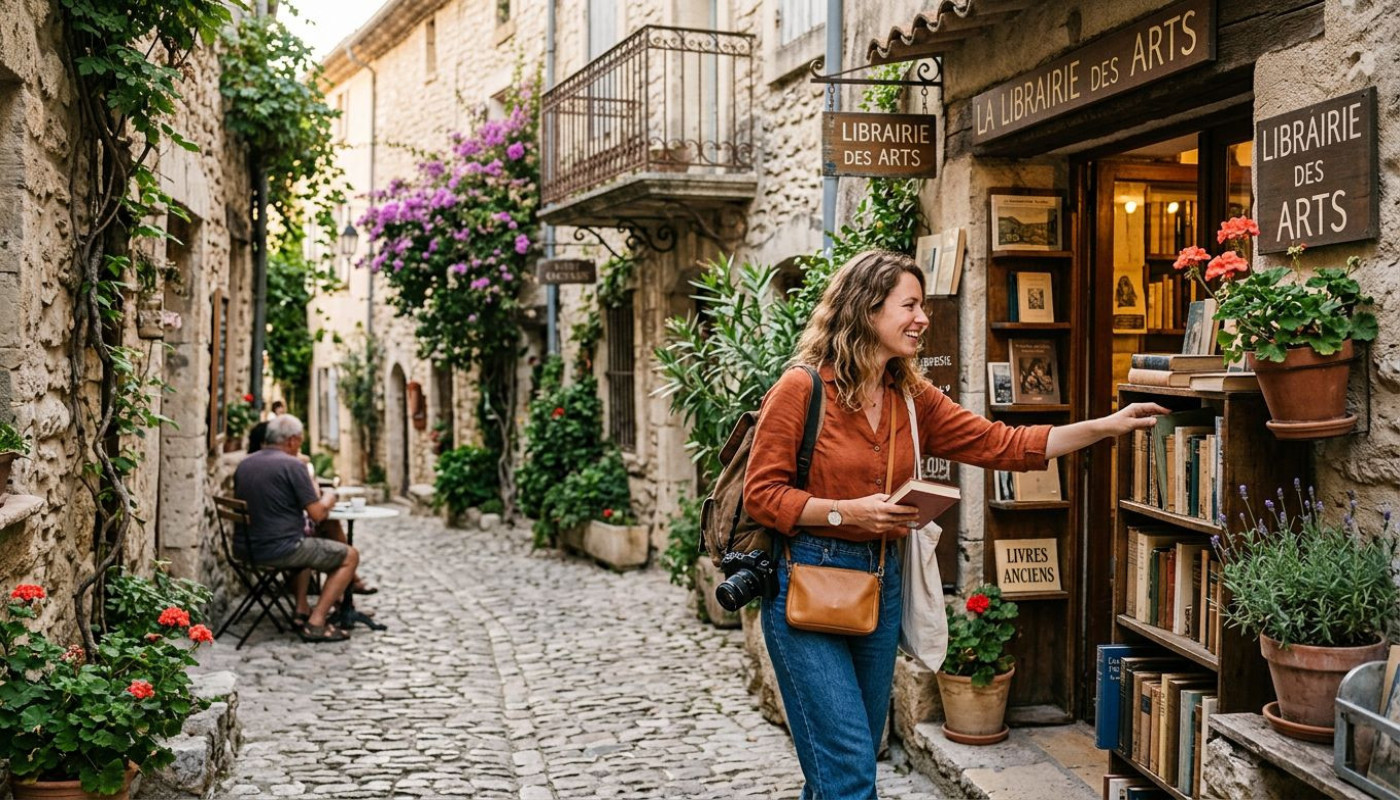
Detours, once seen as compromises, have become a strategy, and not only for comfort. Local authorities are increasingly explicit about dispersing visitors: Venice introduced and then expanded day-tripper measures, Amsterdam tightened rules to curb nuisance tourism, and Barcelona has repeatedly debated caps and zoning for short-term rentals. This policy pressure, paired with the economics of overtourism, has helped bring “secondary” neighborhoods to the foreground, the areas that residents actually use, where prices are lower, lines are shorter, and the city feels less like a stage set. For travelers, the practical win is obvious: you do not have to gamble your day on a single bottleneck, you can anchor your itinerary with one major site, then use the surrounding hours to collect smaller scenes, a bookshop with a staircase worth photographing, a food hall where the menu changes by the hour, a river path that locals treat like a shortcut.
To make it work, treat the detour like reporting, not wandering. Check opening days, verify whether a “hidden” courtyard is public or private, and read the pattern of the city: markets tend to peak mid-morning, panoramic points are best early or late, and many small museums close one or two days a week. Look for what locals build routines around, bakeries with a line at 07:30, tram stops that act as meeting points, parks that fill at lunch, then empty again. The point is not to chase obscurity for its own sake, it is to widen the range of experiences you can actually access, even when the icons are saturated.
The data behind quieter travel choices
Crowds are not a vague feeling, they are measurable, and that is why they have become a planning variable. In major European capitals, timed ticketing has expanded well beyond museums, shaping everything from palace visits to popular viewpoints, and platforms such as Google Maps, city transit apps, and mobility dashboards now surface live congestion, expected busy times, and service disruptions. At the same time, aviation and rail have rebounded strongly since the pandemic slump, and international tourism has largely recovered, according to UN Tourism reporting, bringing back the seasonal peaks that cities know too well. The result is a more “engineered” travel day, where you either book your prime slots early, or you build a route that still delivers when Plan A is stuck behind a turnstile.
What does the data suggest in practical terms? First, the busiest hours are increasingly predictable, not mysterious. Midday remains the most punishing window for headline sites, while shoulder hours, early morning and late afternoon, offer shorter waits and better light, and that is true whether you are looking at a cathedral interior, a famous bridge, or a narrow medieval lane that becomes a human traffic jam. Second, travelers are spreading geographically, and you can see it in transit patterns: day trips by regional rail, once a niche habit, have become a default in countries with dense networks, especially in Italy, Spain, France, Switzerland, and the Netherlands. When a city is full, the route becomes the product, and smaller stops begin to matter because they absorb time without feeling like filler.
Third, spending follows the same logic. In high-pressure zones, prices rise, menus flatten, and the experience becomes standardized, while one or two neighborhoods outward, the offers diversify. The European Travel Commission and national statistics offices have repeatedly highlighted how tourism revenue concentrates in a few hotspots, and local governments respond by trying to redirect flows, promoting outer districts, and supporting cultural venues beyond the center. For the traveler, that translates into tangible benefits: a better chance of a table without a reservation, a broader range of price points, and interactions that do not feel choreographed. “Unexpected gems” are not always secret, they are often simply places that sit outside the primary tourist circulation, and data-driven planning is what helps you reach them at the right moment.
How to spot a gem in plain sight
Here is the uncomfortable truth: many “hidden gems” are not hidden, they are just ignored. You can spot them by watching how a neighborhood behaves rather than what it advertises, and by noticing which details remain consistent across the day. Is there a steady flow of residents buying groceries, not souvenirs? Do cafés serve quick lunches to people who clearly work nearby? Does a small square fill with families after school? These are signals that the place is part of the city’s real rhythm, which is precisely what many travelers say they want, even as they continue to queue for the same postcard view. The gem, in other words, is often a functional place that also happens to be beautiful.
Build a method that you can repeat. Start with one anchor: a landmark, a station, a river crossing, then map a short loop that includes at least one non-negotiable local stop, such as a market, a bakery, a park, or a contemporary gallery. Next, add one “micro-museum” or craft space, the kind of venue that can be visited in 30 to 60 minutes and does not collapse your schedule if you arrive late. Finally, identify a viewpoint, not necessarily the highest, but one with space to linger, because a viewpoint that forces constant movement is not restorative, it is just another queue. In Rome, for example, that might mean pairing the historic center with a quieter hilltop terrace, a neighborhood market, and a late-afternoon riverside walk, rather than treating the day as a sprint between monuments.
Information quality matters, and it is where many itineraries fail. Viral videos flatten nuance, and “top 10” lists often recycle the same stops, so rely on sources that offer operational details: museum sites for hours, municipal pages for transport notices, and local press for neighborhood-level context. When you need a structured way to explore beyond the obvious, curated route guides can help you connect the dots without turning the day into a scavenger hunt, and for travelers building a Rome itinerary with room for detours, https://www.rome-spirit.com is one of the resources that can help identify areas, themes, and walkable sequences that keep the city coherent while still leaving space for surprise.
Turning one route into many stories
Your route is not just logistics, it is narrative. The difference between a day that feels like a checklist and a day that feels like discovery often comes down to pacing, and to the decision to leave deliberate gaps. The classic mistake is scheduling every hour, which sounds efficient until one delayed entry slot, one rain shower, or one transit disruption knocks the dominoes over. A more resilient approach is to schedule “fixed” experiences only at the points that truly require it, timed tickets, a show, a specific restaurant, and then design the rest as flexible corridors, streets and districts where you can improvise without losing the thread of the day.
Think like an editor: vary the scenes. Mix a dense cultural moment, a museum or major church, with a sensory one, a market, a food street, a local café, then with a calm one, a garden, a riverbank, a small library. Add one contemporary element, street art, modern architecture, a design store, because it prevents the city from becoming a historical diorama. If you are traveling with others, build consensus around “anchors” and “options”: agree on two anchors, then keep two options for the in-between, so no one feels dragged through someone else’s algorithm. This is also where money and fatigue intersect. Small, well-chosen stops reduce the need for expensive “experience packages”, and they help keep daily transport costs down because you are walking within a coherent area rather than zigzagging across town.
Finally, protect the last hour. Many travelers plan the morning carefully, then let the evening happen to them, even though dusk is often when a city becomes most itself. Keep a late slot for a viewpoint, a neighborhood dinner, or a riverside stroll, and you will exit the day with something that belongs to you, not to the crowd. In peak season, this approach is not just poetic, it is strategic, because it avoids the most compressed hours and uses the city’s natural tempo, and that is how unexpected gems stop being accidents and become a repeatable part of how you travel.
Your next steps, without overplanning
Book timed-entry tickets early for the one or two headline sites, then leave two flexible windows for neighborhoods, markets, and viewpoints. Set a daily budget that includes spontaneous stops, and reserve a little for taxis or transit if crowds or heat demand a shortcut. Check whether city cards, museum passes, or regional rail offers make sense, and look up any local discounts or cultural subsidies before you go.
On the same subject